Castle
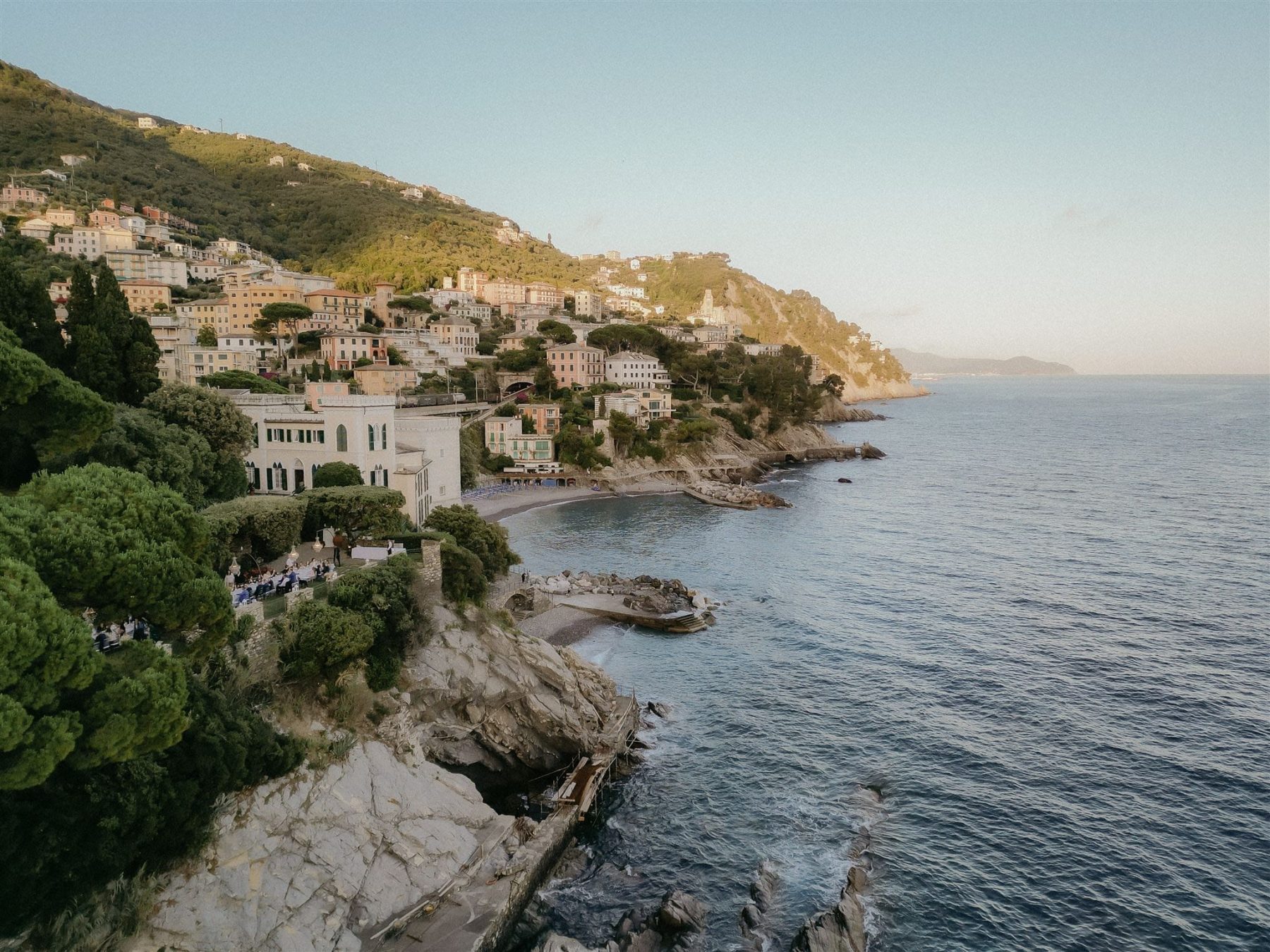
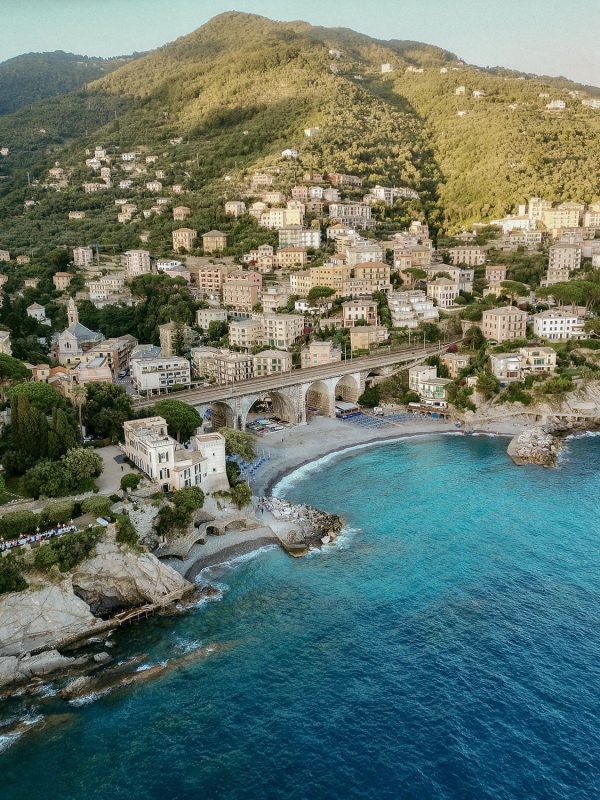
Perched on a rocky spur that juts out into the center of the Gulf of Tigullio, east of Genoa, Castello Canevaro is set in a corner of paradise rich in history and art.
Castello Canevaro
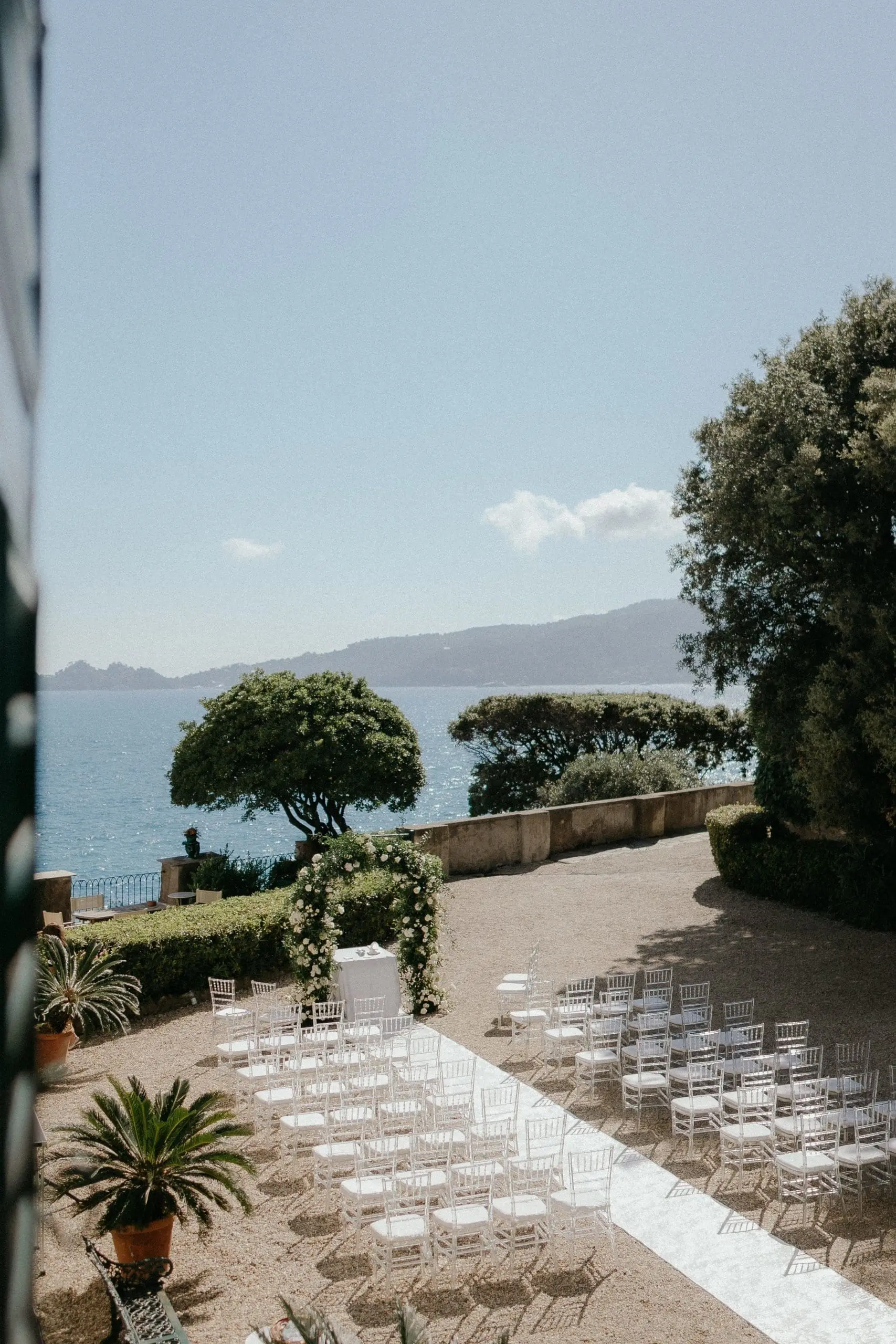
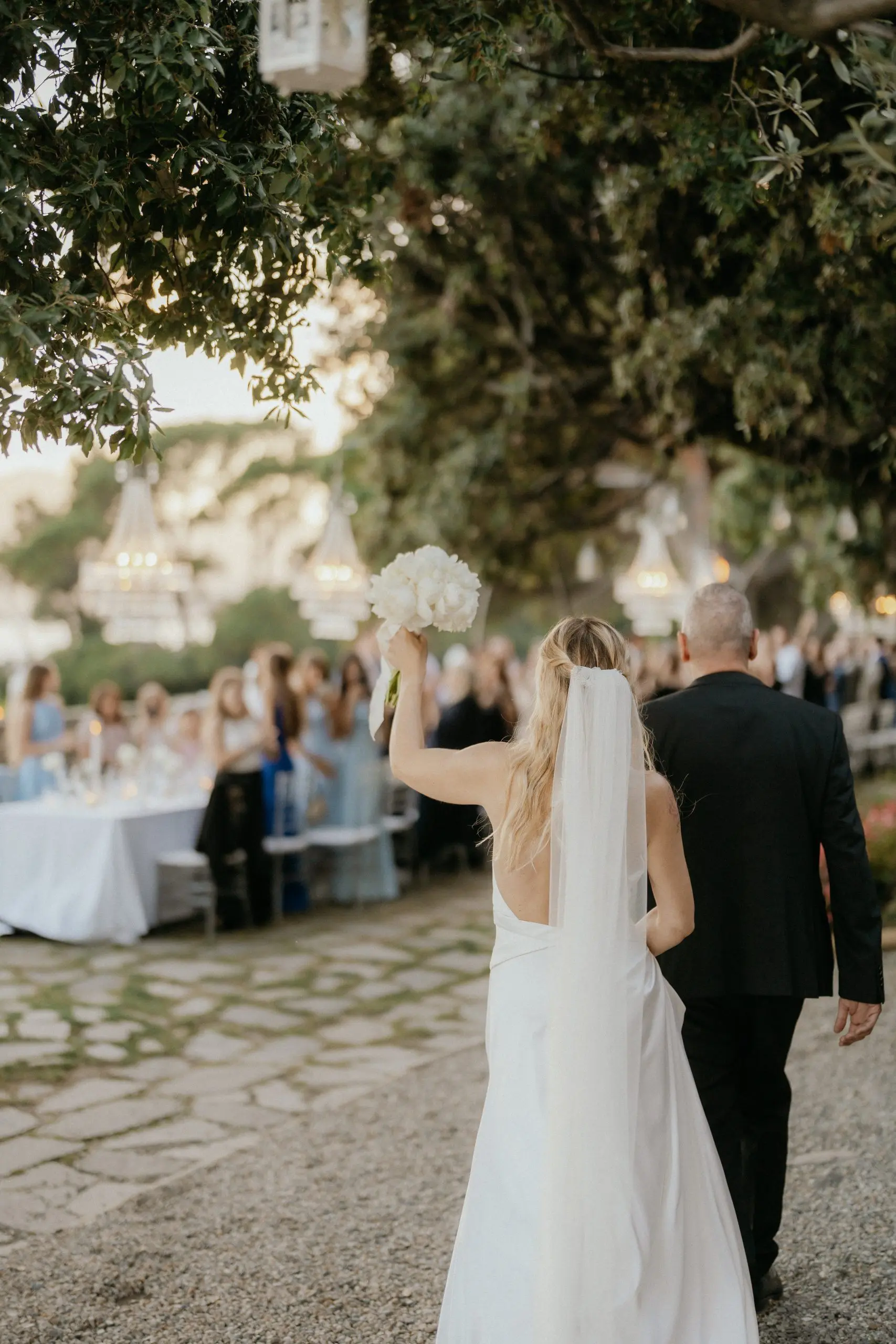
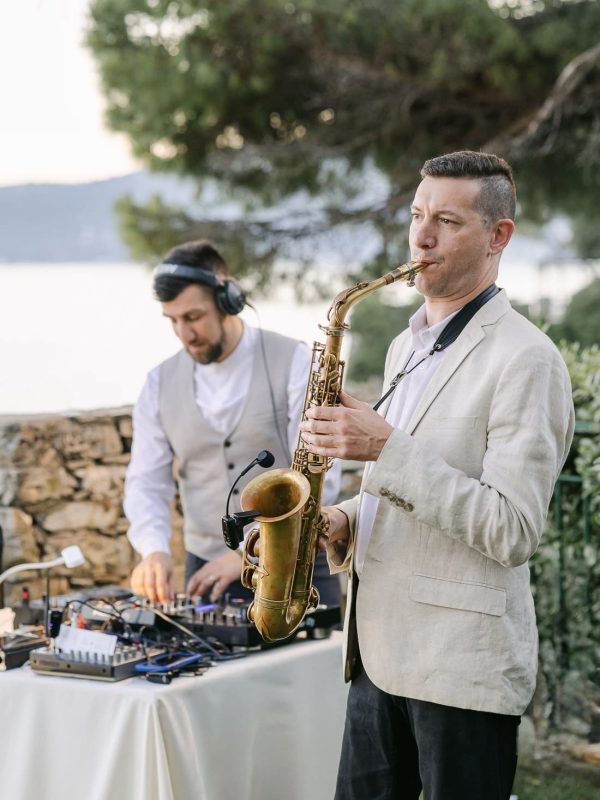
Castello Canevaro, the historic residence of the Dukes Canevaro of Zoagli, is today open to a wide range of events: wedding receptions, anniversaries, corporate meetings, chamber concerts, exhibitions, yoga, pilates and painting courses, and much more.
Overlooking a magnificent promontory in the heart of the Gulf of Tigullio, surrounded by the sea on three sides and set within a three-hectare park, the Castle offers an extraordinary setting for both indoor and outdoor events.
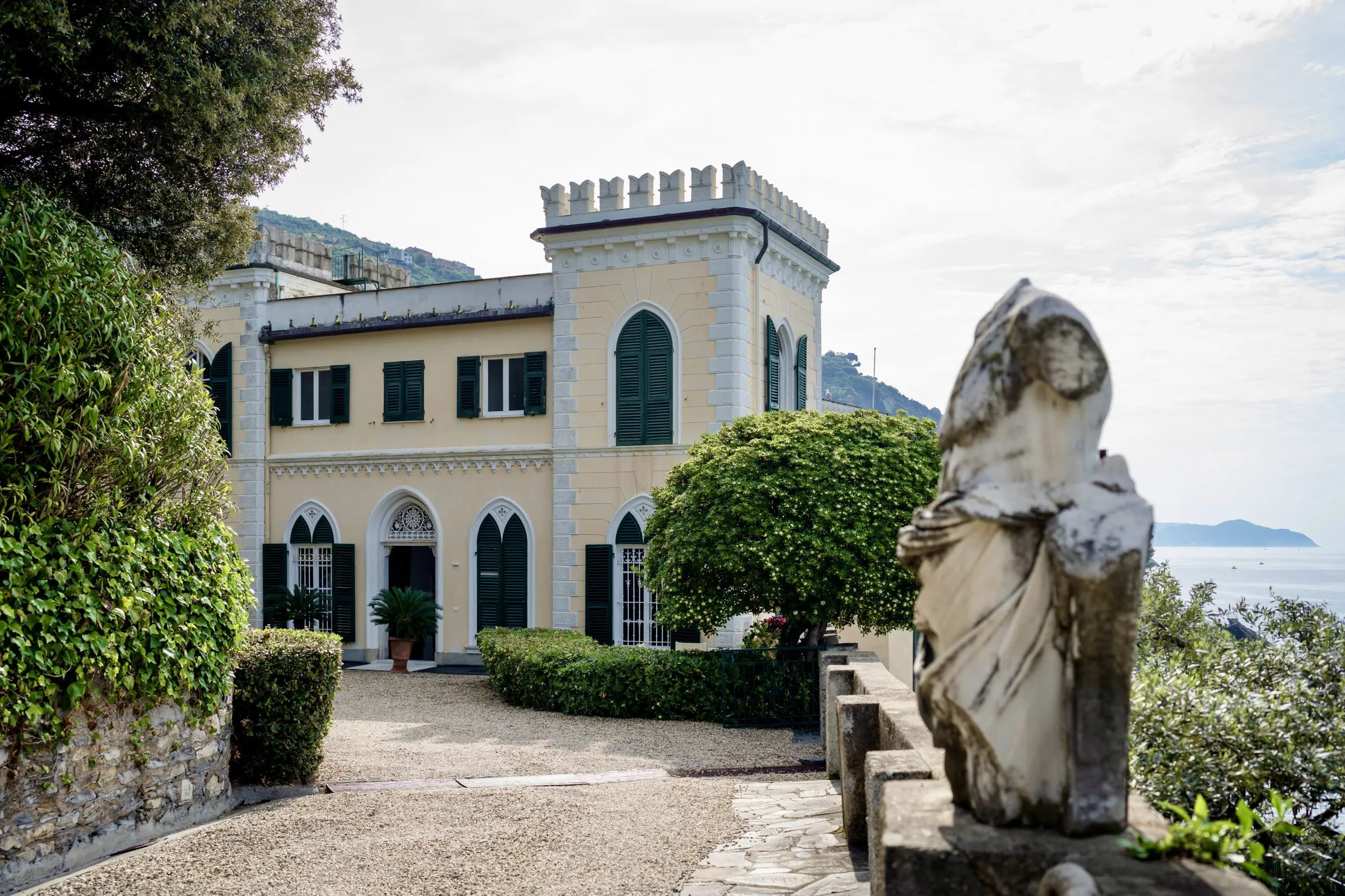
The first Duke of Zoagli, Giuseppe Canevaro, purchased the 1550 Villa with Tower from the Malfanti Spinola family. Over time, the building underwent several transformations: a wing was added towards the hillside, and two crenellated towers in neo-Renaissance style were built on either side of the façade.
After the bombings of 1943, the central structure was rebuilt on a smaller scale, highlighting the 1547 Tower, a masterpiece of military architecture inspired by Giuliano da Sangallo’s design, who at the time was active in Savona for the Della Rovere family.

The Canevaro Family
The Canevaro family is deeply connected to Zoagli and to both Italian and international history.
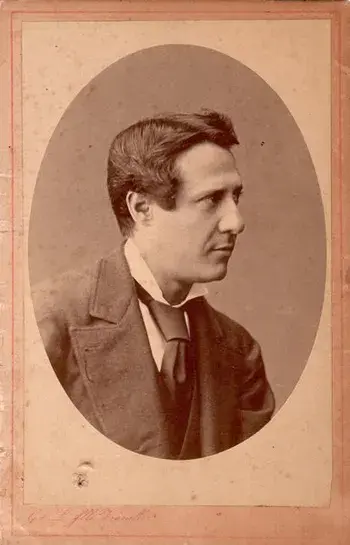
Giuseppe Canevaro, born in Zoagli in 1803, began sailing with his father at a very young age. By the age of twenty, he had already become a ship captain and later moved to Lima, Peru. There, he married Francesca Valega, with whom he had twelve children.
During the First War of Independence, he financially supported the Kingdom of Sardinia and was therefore awarded by Vittorio Emanuele II the Order of Saints Maurice and Lazarus. He later amassed wealth through the guano trade between Peru and Chile, and in 1856 was appointed consul to the Peruvian government.
His eldest son, Giuseppe Francesco (1836–1900), Vice President of the Republic of Peru and later Minister of the Navy and of Foreign Affairs in Italy, obtained for himself and his descendants the title “di Zoagli”.
Among his twelve children, Felice Napoleone distinguished himself for his courage under Garibaldi, receiving the Silver Medal for the attacks on Bourbon warships in the port of Naples.
The family left a significant mark on the local area: Giuseppe Canevaro financed the construction of the hospital that bears his name and the villa with the Western Tower, completed with the famous small beach now known as the “Duke’s Beach”. In 1881, sculptor Carlo Filippo Chiafarino created a bronze statue in his honor, which can still be seen today in Zoagli’s main square.
Il Castello Canevaro
Castello Canevaro stands on a promontory in the heart of the Gulf of Tigullio and is surrounded by the sea on three sides. Its origins date back to the 16th century, with the construction of the 1550 watchtower, the original core of the complex.
Over the centuries, new wings were added and, in the 19th century, two crenellated towers in neo-Renaissance style along with an extension towards the hillside gave the Castle its current elegant and imposing appearance.
During the Second World War, it suffered severe damage, and in 1943 the central structure was rebuilt on a smaller scale, highlighting the 16th-century tower—a masterpiece of military architecture inspired by the designs of Giuliano da Sangallo.
In more recent times, thanks to the project by architects Bruzzo, Gotta, and Grasso, the Castle has been restored to its 19th-century splendour, with new exhibition spaces in the towers and vaulted lower rooms, while preserving its original purpose of hospitality and representation.
Today, Castello Canevaro hosts weddings, private events, corporate meetings, concerts, exhibitions, photo shoots, and fashion shows, within a unique setting where history, art, and landscape come together.
Historic residence and Garrison
After the war, Raffaele IV, Duke of Zoagli, chose to preserve the historical integrity of the Castle, rejecting speculative offers and continuing its tradition of hospitality with dances, lunches, concerts, and social events.
Today, the Castle combines the charm of a historic residence with contemporary needs, offering elegant spaces and a staff that, in collaboration with qualified professionals, ensures flawless organization.
Among its most evocative areas is the ground floor, known as the “Garrison,” built in the 18th century to host the Health Captains. It features checkerboard floors in Carrara marble and Ligurian slate and can accommodate up to 130 seated guests or 200 standing. 19th-century portraits of the first Duke’s children and the sound of the sea entering through the French windows make every event truly unique.